
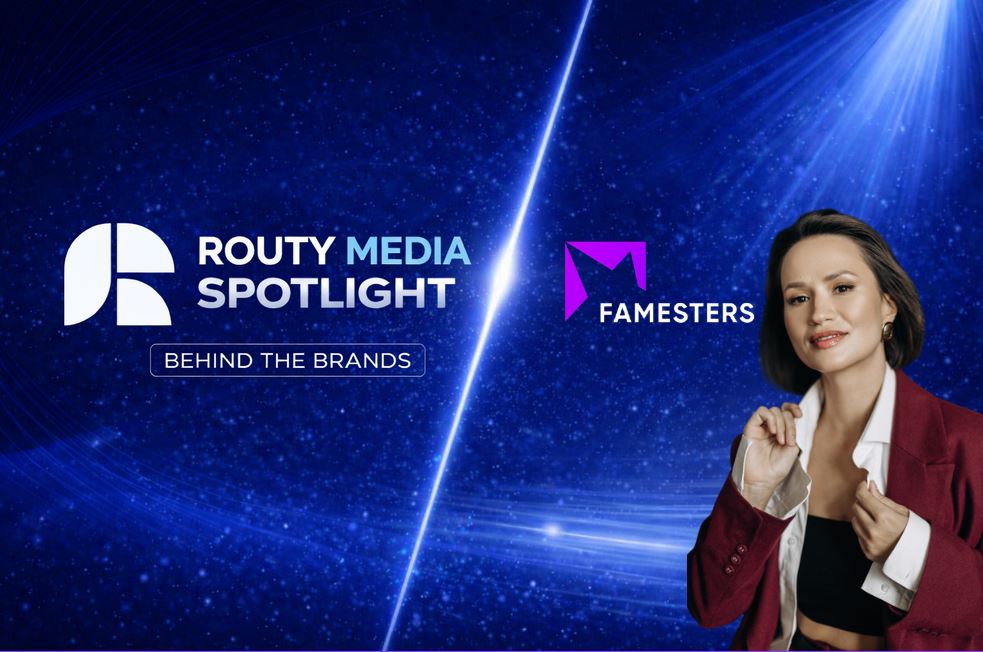
Routy Media Spotlight sat down with Anastasia Zaichko, Chief Marketing Officer at Famesters – Influencer Marketing Agency. In this interview, Anastasia shares a behind-the-scenes look at how high-performing influencer campaigns are built in regulated markets. From vetting creators for real deposit conversions to balancing creative freedom with ROI, the conversation breaks down what works, what doesn’t, and where iGaming influencer marketing is headed next.
B. iGaming is one of the most regulated and competitive digital markets. What are the biggest marketing challenges you face when running influencer campaigns for iGaming brands, and how does Famesters overcome them?
A. The first thing people underestimate about iGaming is just how fragmented it is. On the surface, it looks like one global industry. In reality, it’s dozens of micro-markets, each with its own legal framework, cultural sensitivities, and platform rules.
The biggest challenges we face are:
- Regulatory patchwork. What’s perfectly acceptable in one country can result in penalties in another. For example, deposit bonuses, odds mentions, or even certain calls to action may be restricted depending on local licensing rules. To deal with this, we build campaigns in modular blocks. If regulations shift mid-flight, we can replace specific elements (like bonus messaging) without scrapping the entire concept. This saves both time and budget.
- Platform-level restrictions. YouTube, Instagram, and TikTok constantly update their gambling-related policies. Some Tier 1 influencers refuse to collaborate unless the operator holds a local license. We handle this by planning geo-strategies carefully and sometimes working with cross-regional creators. For example, using Moroccan French-speaking influencers to reach French audiences can significantly reduce CPM while staying compliant.
- High competition and rising acquisition costs. According to the iGaming industry report from our research team, iGaming market is projected to reach nearly $133 billion by 2029, which means more brands fighting for the same attention. Instead of competing purely on aggressive bonuses, we focus on storytelling around passion points like sports fandom, poker strategy, or community tournaments. That makes the content feel organic rather than transactional.
The opportunity behind these challenges is huge engagement. Our data shows that North American players spend an average of 107 minutes per day on online gambling platforms, while European players spend around 97 minutes. That’s active participation. Influencers in this niche guiding communities apart from promoting.
B. Influencer trust is critical in iGaming. How do you identify and vet creators who can drive real conversions—not just traffic—while staying compliant with regulations?
A. Traffic without deposits is vanity. In iGaming, conversion is everything.
At Famesters, our vetting process starts with data, but it doesn’t end there:
- Audience authenticity checks. We analyze engagement quality, follower growth patterns, and audience geography. Fake followers are a waste of budget and they can expose brands to regulatory risks if underage audiences are involved.
- Manual verification. We request analytics screencasts and cross-check data. We also examine comment sections to see if conversations look natural. Inflated metrics are surprisingly common in this vertical.
- Historical content review. We evaluate how the influencer previously integrated gambling brands. Were they transparent? Did they include responsible gambling messaging? Did their audience react positively?
- Performance forecasting. We compare their historical affiliate performance when available. Micro-streamers on Twitch, for example, often outperform larger creators in terms of deposit conversion because their communities are tight-knit and trust-driven.
Compliance is a two-step filter: we ensure the influencer’s past activity aligns with advertising standards, and we provide clear legal and creative briefs including mandatory disclaimers and responsible gambling notes tailored to each market. So we can get fewer flashy impressions, and more first-time deposits.
B. Looking back at your time as CMO, what has been Famesters’ most impactful achievement in the iGaming vertical, and what made that campaign stand out?
A. One campaign I’m particularly proud of was a four-week “influencer battle” in Latin America. We partnered with five YouTubers and turned affiliate performance into a public competition.
Each week, the lowest-performing influencer had to complete a fan-chosen challenge, like singing in public, doing TikTok dances, even taking a pie to the face. Importantly, we showed real affiliate dashboards live. Fans posted deposit screenshots and rallied to support their favorite creator.
What made it stand out?
- Transparency. Wins and losses were visible.
- Gamification. The audience became participants, not observers.
- Community energy. It felt like a sports league, not an ad campaign.
The outcome was over 1,000 first-time deposits, double the usual redeposit rate, and conversions increasing week after week. Three creators signed long-term contracts afterward. It proved that when you let audiences feel part of the action, performance follows.
B. Performance vs. brand storytelling is an ongoing debate. In iGaming, where does Famesters draw the line between creative freedom and ROI-driven execution?
A. In iGaming, you can’t afford to choose one over the other. If you focus only on performance, you end up with aggressive bonus pushes that erode trust. If you focus only on storytelling, you risk beautiful content with weak deposit numbers.
Our approach is quite simple. We define non-negotiables: tracking links, disclosure, responsible gambling mentions, and clear calls to action. Everything else, like tone, humor, storytelling format, is left to the creator.
For example, in one of our latest campaigns we worked with poker-focused Twitch streamers. The brand provided assets and talking points but allowed each streamer to adapt the integration to their style. Because the integration felt native, engagement and retention improved significantly.
Creative freedom builds credibility. Structured tracking protects ROI. The balance is deliberate.
B. iGaming audiences are notoriously skeptical. What content formats and platforms are currently performing best and which are losing effectiveness?
A. What works right now:
- Live streaming (Twitch, Kick, YouTube Live). Real-time roulette spins, poker sessions, and live sports betting with audience polls drive high engagement. Transparency builds trust.
- Short-form content (TikTok, Instagram Reels). These formats act as entry points, especially for younger audiences. Quick tips, reactions to big wins, or “spin with me” clips convert well when paired with affiliate links.
- Gamified challenges. Leaderboards, influencer competitions, or community jackpots tap into emotional triggers like rivalry and loyalty.
What’s losing effectiveness:
- One-off static posts with promo codes.
- Overly scripted ads that sound like TV commercials.
Audiences respond to honesty, even when influencers show losses. That vulnerability builds more trust than polished highlight reels.
B. Data-driven marketing is a core pillar at Famesters. Which KPIs matter most for iGaming clients today—and which “vanity metrics” should brands stop obsessing over?
A. The KPIs that matter:
- First-time deposits (FTDs). The true starting point of value.
- Cost per FTD. Efficiency over impressions.
- Redeposit rate. A sign of long-term engagement.
- Average revenue per user (ARPU). Quality of acquired players.
- Lifetime value (LTV). The ultimate measure.
Metrics brands should stop obsessing over:
- Views without tracking.
- Follower count as a primary filter.
- Engagement rate in isolation.
A micro-streamer with 20,000 loyal followers can outperform a 500,000-follower influencer if their community trusts them deeply.
B. As digital marketing evolves, how do you see influencer marketing integrating with paid media, affiliate marketing, and UGC in the iGaming ecosystem?
A. Influencer marketing is no longer a standalone channel.
We increasingly see:
- Influencer content amplified with paid ads. Top-performing videos are repurposed into whitelisted ads.
- Affiliate + influencer hybrids. Long-term revenue-share deals align incentives.
- UGC loops. Community-generated screenshots, testimonials, and reaction videos strengthen credibility.
The most efficient funnels combine short-form awareness, live-stream engagement, affiliate tracking, and paid retargeting. Each piece reinforces the other.
B. Regulations vary wildly across markets. How does Famesters adapt influencer strategies for different regions while maintaining consistent messaging and performance?
A. For us, adapting to different regions starts with people. We’re an international team with representatives from nearly 20 countries. This diversity is a strategic choice. iGaming industry is deeply local. Payment preferences, platform trust, sports culture, humor, even the way audiences react to promotions, all of it changes from one market to another. Without local expertise, you’re operating half-blind.
That’s why in fast-growing regions we work with local managers who understand the market from the inside. They know which creators truly influence consumer behavior. They understand how regulations are applied in practice. And they can immediately sense when messaging feels authentic versus imported.
Local managers allow us to select creators whose audiences genuinely match compliance and performance requirements, adjust tone and storytelling to feel culturally native rather than translated, react quickly to regulatory updates or platform policy changes in that specific region, and optimize campaigns based on local benchmarks instead of global averages.
At the same time, we keep the strategic foundation consistent. Trust, transparency, responsible play, and measurable ROI remain non-negotiable pillars across all markets. What changes is execution.
This combination of centralized strategy and local expertise allows us to meet client performance goals without sacrificing authenticity. In iGaming, that balance is what separates sustainable growth from short-term spikes.
B. From your perspective as CMO, what mistakes do iGaming brands most often make when launching influencer campaigns and how can they avoid them?
A. Common mistakes:
- Treating influencer marketing as a short-term sales push.
- Ignoring compliance until the last minute.
- Choosing creators based solely on follower count.
- Failing to prepare backup creators.
- Testing the entire channel on a tiny budget.
- Buying single streams or one-off integrations instead of structured packages.
One early lesson for us was encountering influencer fraud. That experience pushed us to strengthen contracts, deepen vetting, and always maintain contingency plans. Now, if something feels off, we can pause and redirect the budget instantly.
Long-term partnerships outperform one-off shoutouts almost every time.
B. Looking ahead 2–3 years, what major shifts do you expect and how is Famesters preparing?
A. Three shifts are already visible:
- Social-first gambling experiences. Multiplayer formats, watch-party poker, and interactive betting.
- Instant withdrawals as a competitive necessity. Nearly 30% of gamblers say fast payouts are crucial.
- Greater focus on responsible gambling technology. AI-driven behavioral monitoring and predictive interventions.
We’re preparing by:
- Building stronger long-term influencer partnerships.
- Expanding into emerging regions like Latin America, Africa, and Southeast Asia.
- Investing in performance analytics tied directly to LTV, not impressions.
The future of iGaming marketing belongs to brands that combine community, transparency, trust, entertainment, and responsibility.